

Types of sea containers and their classification
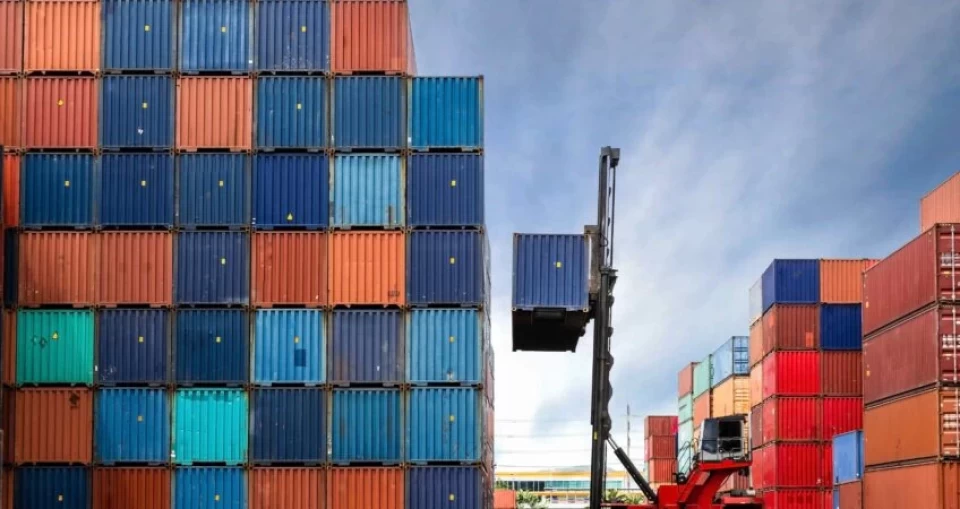
Shipping cargo by sea is one of the most convenient and efficient ways to transport cargo from point A to point B. A sea container, in this case, is the most optimal storage and transportation option. It is a standard metal box of varying sizes and configurations. The logistics industry has developed a universal classification of sea containers, which facilitates the selection of the optimal option for transporting a specific type of cargo. Container sizes, their load capacity, and other characteristics are regulated by the ISO 668 standard.
Types of Sea Containers. General Information
Sea container construction must be rigid and durable, and only steel can provide these qualities. A steel roof and walls prevent dust from entering and protect the cargo from moisture. Loading and unloading containers is simple, thanks to their standard dimensions. This also eliminates the need for specialized equipment.
Container Classification
GP. Standard general-purpose dry cargo sea containers used for the transport of general cargo.
OT and UT. These have a canvas or tarpaulin roof. These containers are designed for transporting vertically positioned cargo and are small in size.
RT, RE, RS. These are refrigerated containers that can maintain the required temperature for a specific type of cargo. They are used to transport fruits, vegetables, medicines, chemicals, meat, fish, and other cargoes that are highly sensitive to temperature fluctuations. These containers are most often used to transport fish, meat, fruits, vegetables, medicines, chemicals, and other goods.
FR. These are steel platforms with end walls. These are recommended for transporting oversized machinery and equipment.
VT, TC. These containers are equipped with forced or natural ventilation to remove condensation or non-hazardous vapors or condensation.
BU and BC – These containers have special openings for loading and unloading bulk cargo.
SN – These containers are used to transport live fish or livestock.
Sea Container Labeling
Cargo labeling has its own standards that must be strictly adhered to. Properly applied labeling enables automated monitoring and efficient cargo management.
Door-to-door container shipping is our company's core business. Our routes are extensive, and the experience of each employee allows us to handle even the most complex orders. We will always select the optimal type of shipping container to ensure the safety of your cargo and maximize budget efficiency.

 Продолжить через Google